
French Dining Culture and the Revival of Ritual Meals
It is 8:00 p.m. in Paris. The aroma of coq au vin blends with the scent of warm bread. Here, dinner is not a simple meal: it is a structured cultural ritual, an expression of gastronomic elegance, and a moment of conscious human connection.
In a world dominated by digital immediacy, notifications, and constant productivity, French tradition demonstrates that a meal can once again become a social ritual, an immersive gastronomic experience, and a universal language of relationship.
Intentional Dining and the Slow Food Movement
Just a few years ago, dinner primarily served a functional purpose. Today, the slow dining movement has emerged as a strategic response to speed culture, digital stress, and relational isolation.
In Florence, a candle illuminates a meticulously set table. In Kyoto, seasonal products are arranged with intention. In Marrakech, bread is shared in a collective gesture. Different continents, the same logic; presence, aesthetics, rhythm, and social interaction.
The four universal pillars of intentional dining:
Mastered ambiance: lighting, table setting, music, and textiles contribute to the overall sensory experience.
Rhythm and sequencing: starter, main course, cheese, dessert, the tempo of service structures the conversation.
Gustatory harmony: seasonality, terroir, and flavor balance guide the plate.
Human interaction: absence of screens, quality listening, eye contact, and shared silences strengthen social bonds.
Across cultures, the meal reflects our relationship to time, conviviality, and social hierarchy.
French Dining Tradition: History and Influence
In this global return to the table, French traditions remain a structuring cultural reference. Their refinement, sense of ceremony, and precision in service demonstrate that a meal can become an aesthetic, codified, and deeply relational experience.
Under the reign of Louis XIV, official meals were not mere banquets: they structured political power and social hierarchy. “Service à la française” codified the presentation of dishes, the positioning of guests, and the order of courses.
After the Revolution, these practices became democratized. Hospitality schools, Parisian bistros, and haute gastronomy transformed these codes into living heritage.
Even today, whether at a family dinner or a fine dining table, certain principles endure:
Cheese served before dessert
Wine selected to complement flavors
Structured plating and table setting
Phones absent from the table
Each gesture becomes a demonstration of respect, attentiveness, and savoir-vivre.
French Dining Etiquette and Leadership
The French-style dinner constitutes a model of relational intelligence, nonverbal communication, and awareness of social dynamics.
Principles transferable to leadership:
Observe before acting: waiting for the host’s signal reflects an understanding of hierarchy.
Mastery of presence: posture, measured tone, and active listening reinforce credibility.
Serve before serving yourself: pouring wine for others creates a dynamic of trust.
Read micro-signals: gestures, pacing, and eye contact structure the exchange.
Respect timing: understanding that haste weakens strategic influence.
Seating arrangements become a map of power, a concept equally relevant to international meetings and business dinners.
Parisian Wine Etiquette
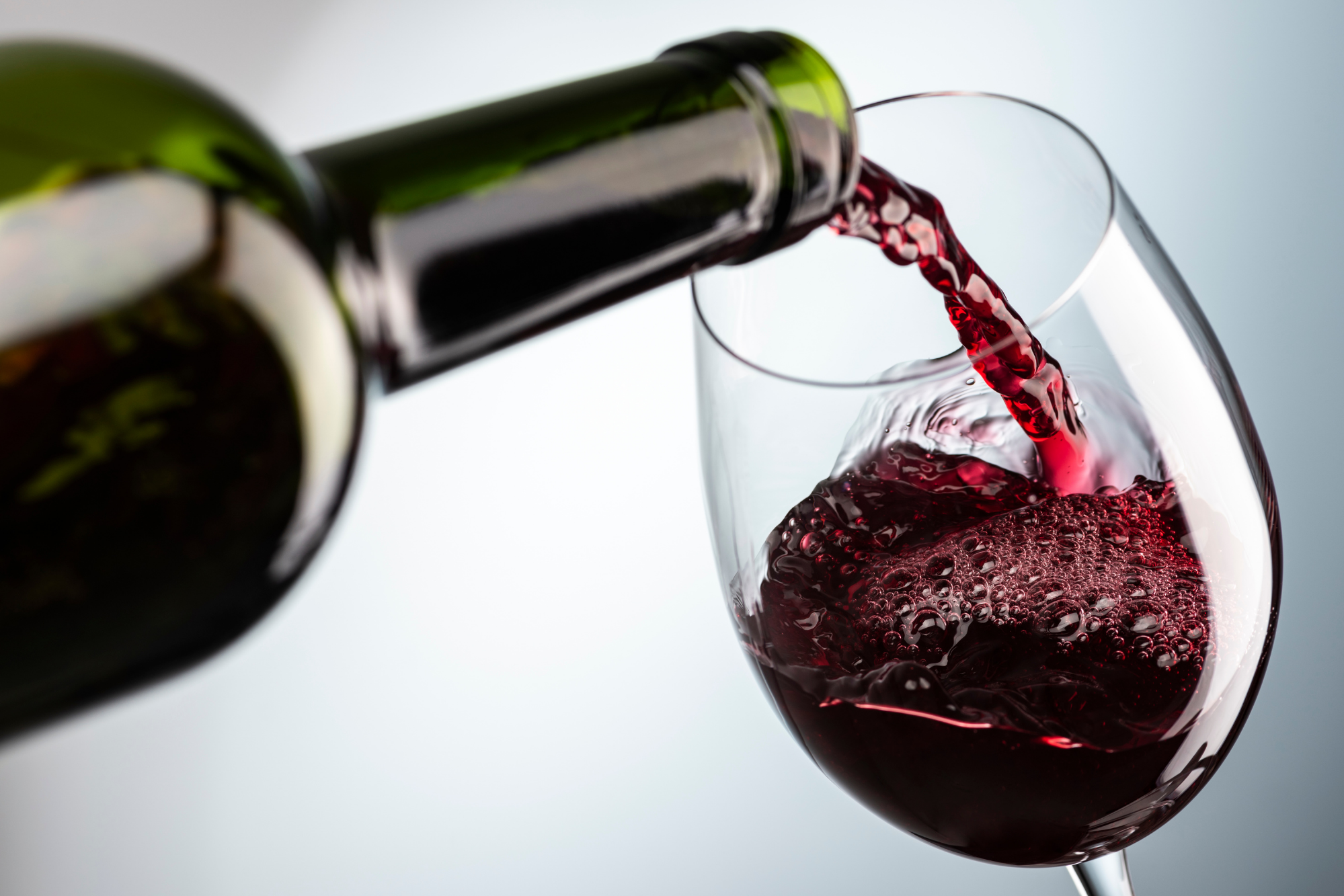
Wine embodies a culture of connection. It is not about consumption but about integration into the meal.
Fundamental rules of Parisian wine culture:
Wine accompanies the dish; it does not dominate it.
Selection is guided by gustatory harmony.
Service follows protocol: tasting by the host, validation, then serving guests.
Glassware is functional and suited to the wine type.
Toasting includes eye contact, reinforcing the relational dimension.
Moderation ensures elegance.
Adding ice is excluded, in order to preserve the wine’s structure and aromas.
Tasting becomes a practice of conscious attention, balance, and sensory education.
How to Pair Food and Wine Like the French
Food and wine pairings rely on precise principles: balance, aromatic complementarity, and chemical interaction.
Major wine regions structure this logic:
Bordeaux: structured Cabernets for red meats
Burgundy: Chardonnay with creamy sauces
Loire Valley: Sauvignon Blanc with goat cheese
Rhône Valley: Syrah for grilled meats
Languedoc: Picpoul with oysters
Key principles:
Match the body of the wine to the weight of the dish
Use acidity to balance fat
Pair tannins with proteins
Respect proper serving temperature
A successful pairing enhances aromatic perception and reinforces the sensory coherence of the meal.
Why Intentional Dining Matters
The renewed interest in intentional gastronomy reflects a broader sociocultural shift: digital fatigue, a search for authenticity, and a desire for real human connection.
Movements such as slow food, mindful eating, and conscious hospitality respond to a universal need: to reintroduce ritual, slowness, and presence into daily life.
The meal becomes an identity act, a cultural marker, and a strategic space for connection.
The Social Power of Dining
To dine with intention is to assign value to the shared moment. Whether it is a Bordeaux wine or a simple home-cooked meal, the table becomes a powerful relational framework.
French tradition shows that gastronomic elegance is not reserved for special occasions; it can be integrated into everyday life.
Every structured meal thus becomes:
a social ritual
a space for subtle leadership
a cultural celebration
an act of presence
And perhaps, in a world saturated with speed, one of the last accessible forms of art.
FAQ: French Dining Etiquette and Table Rituals
Why is it considered impolite to hold the menu upright? Holding the menu too close to your face disrupts the visual harmony of the table. Instead, lay it flat or hold it discreetly; this shows respect for the shared dining experience.
Why should one keep a hand visible on the table? Resting one hand, palm down, lightly on the edge of the table reflects openness and trust, a French tradition dating back to the Middle Ages.
What is the proper placement of the napkin? Unfold your napkin as soon as you are seated and place it gently on your lap. At the end of the meal, fold it neatly and leave it to the left of your plate. Never place it on the chair or leave it crumpled.
Is it appropriate to toast with water? No. In France, toasting is reserved for wine, champagne, or spirits. Toasting with water is generally considered a breach of ritual and conviviality.
How much wine should be poured into a glass? Only fill about one-third of the glass. This allows the wine to breathe and for its bouquet to develop, preserving the tasting experience.
Must you finish your glass? Not necessarily. Habitually leaving a significant amount may be misinterpreted, but leaving a modest remainder is entirely acceptable.
Why is French table etiquette so renowned? Because it combines aesthetics, social protocol, and culinary harmony into a coherent system passed down through centuries.
What is the most important rule at a French table? Wait for the host’s signal before starting and respect the collective rhythm of the meal.
Why is cheese served before dessert in France? Traditionally, cheese acts as a transition between the main course and the sweet finale, preparing the palate for dessert.
Can you add ice to wine in France? No. Adding ice is considered a faux pas because it alters the wine’s balance and flavor profile.
Discover More
Sources:
Norbert Elias, La Civilisation des mœurs, Calmann-Lévy, 1973
Baroness Staffe, Le Code du savoir-vivre moderne, 1889
Daniel Roche, La Culture des apparences, Fayard, 1989
Jean-Louis Flandrin, Histoire de l’alimentation, Fayard, 1996
Jean-Paul Aron, Le Mangeur du XIXe siècle, Robert Laffont, 1973
Alain Montandon, Le Livre de la politesse, Presses Universitaires de France, 1995
Michèle Barrière, Les repas de l’histoire, Perrin, 2012
L’Art de recevoir à la française, Editions Flammarion
Caroline Furstoss, La Revue du Vin de France
Ministry for Europe and Foreign Affairs, French Diplomatic Protocol Guide
Ministère de la Culture, Vie quotidienne et traditions en France
UNESCO: Recognizes the "gastronomic meal of the French"
UNESCO, The Gastronomic Meal of the French, 2010
Jean-Robert Pitte, French Gastronomy: The History and Geography of a Passion, Fayard, 2022
TikTok trend data via SocialBlade, March 2025
INAO (National Institute of Origin and Quality), Study on Food and Wine Pairings in France, 2022
University of Bordeaux, Scientific Studies on Food and Wine Pairings, 2020
INRA (National Institute for Agronomic Research), The Impact of Pairings on Taste Perception, 2019