independent media Platform on Wine, Culture and Society
Reading France through its wine
independent media Platform on Wine, Culture and Society Reading France through its wine
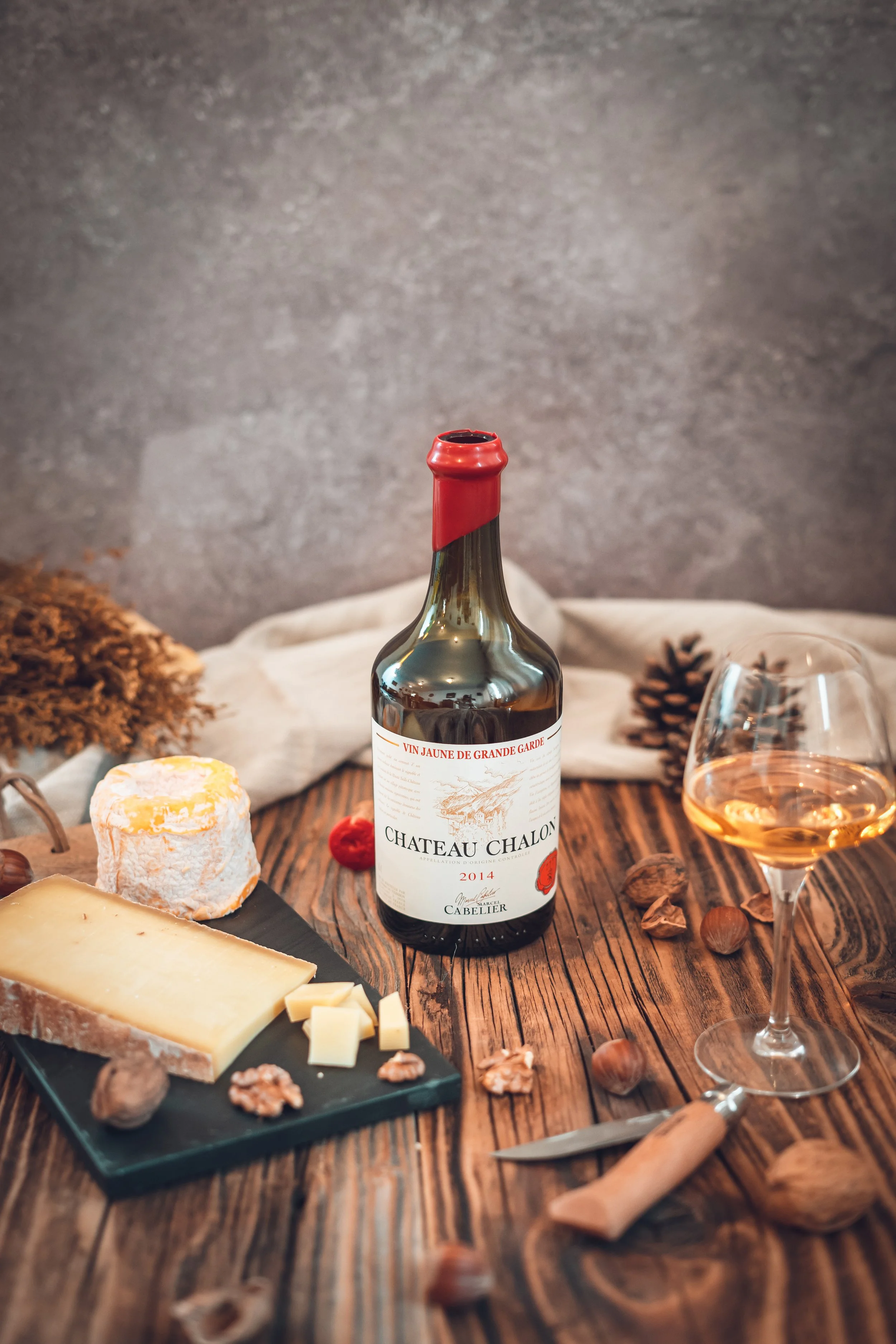


Six years under a veil, then a 62cl clavelin: Jura vin jaune is served and chosen like no other white. Château-Chalon, its birthplace, turns ninety.
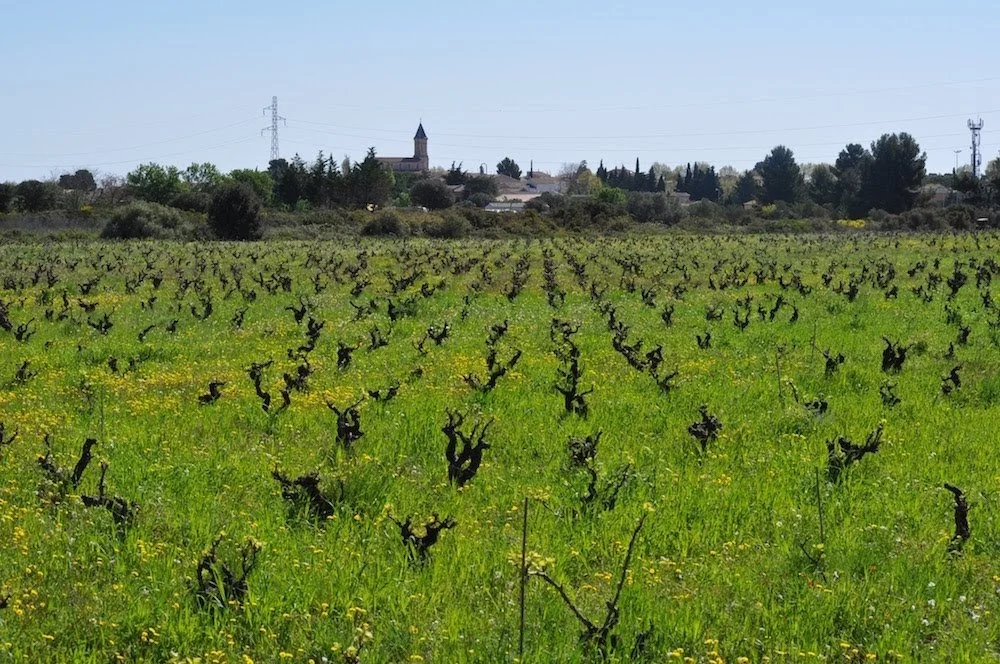
Abandoned vineyards of Languedoc: heritage grape varieties, Muscat à Petits Grains, climate change and the economics of vineyard restoration, with Florence Monferran, historian and former winemaker.
In Burgundy, winegrower Armand Heitz is turning to regenerative agriculture to restore soil health and help his vineyards adapt to climate change.
Beaujolais has no premier cru. In 2023, Fleurie applied to the INAO to classify seven lieux-dits, the first bid to give Gamay a rank of its own.
Six years under a veil, then a 62cl clavelin: Jura vin jaune is served and chosen like no other white. Château-Chalon, its birthplace, turns ninety.
Beaujolais has no premier cru. In 2023, Fleurie applied to the INAO to classify seven lieux-dits, the first bid to give Gamay a rank of its own.
Why is Provence rosé so pale? From Domaines Ott to Saint-Tropez: how it is made, its grapes, food pairings and prices, and what it says about us.
Is investing in Burgundy wines still a good strategy? Selectively, and over the long term: centuries of terroir, a 34% market correction and climate risks that prices may be overlooking.
Abandoned vineyards of Languedoc: heritage grape varieties, Muscat à Petits Grains, climate change and the economics of vineyard restoration, with Florence Monferran, historian and former winemaker.
In Burgundy, winegrower Armand Heitz is turning to regenerative agriculture to restore soil health and help his vineyards adapt to climate change.
Is Paris still a culinary capital? From Les Halles to bouillons, French service to world cuisines, food historian Loïc Bienassis answers.