
Pouilly-Fumé AOC, Maison Pascal Jolivet
A Pouilly-Fumé for those who value discretion over display.
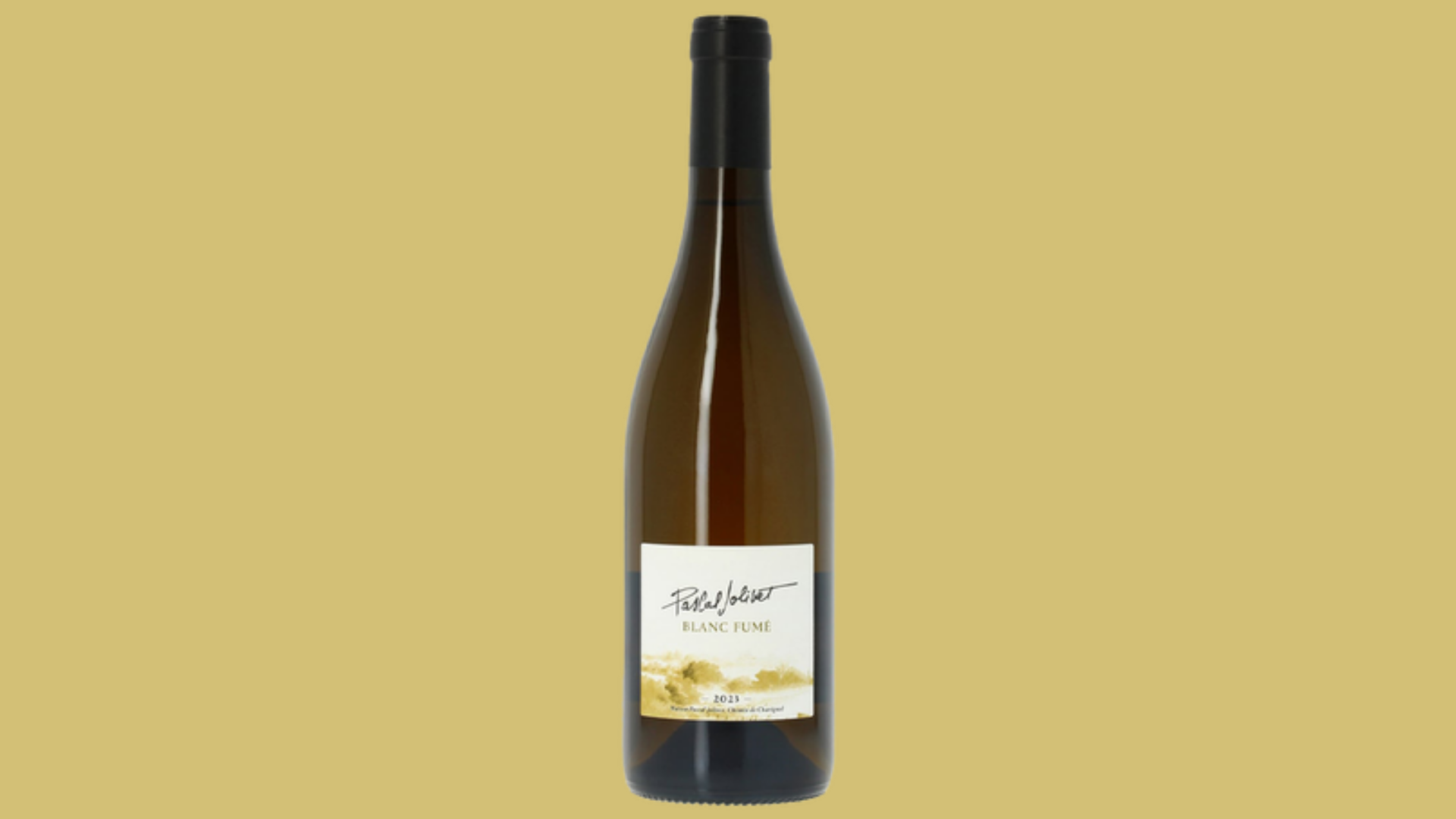
Quick Verdict
Pascal Jolivet's Blanc Fumé is not a wine to age or to speculate on, and it never pretends to be. It is a wine to pour: precise, mineral, faintly smoky, the kind of Pouilly-Fumé that reads as considered rather than expensive. Its role is social. It makes a table look intelligent without raising its voice.
Best for: an apéritif, seafood and goat's cheese, a business dinner, a wedding or a private table where you want freshness with a touch of restraint.
What it is not: a keeper or an investment wine. Drink it young, while its edge is sharp.
When to Choose This Bottle
A good bottle need not always be the rarest, oldest or most expensive one on the table. Sometimes the most intelligent choice is simply the wine that fits the people, the food and the occasion, and that is exactly where this Pouilly-Fumé belongs. It signals discernment without becoming the subject of the evening.
It suits:
Wine lovers seeking an authentic, mineral-driven Loire Sauvignon Blanc
Hosts who want an elegant white that does not feel overly formal
A business dinner, a celebration, or a considered private table
It is less suited to anyone seeking a long-keeping, collectible or investment wine. You buy this bottle for what it brings to the table now, not for what it might become in ten years.
Tasting Notes
Appearance: pale gold with greenish reflections.
Nose: citrus, gooseberry and white flowers over a flinty smoke, the fumé character the appellation is named for.
Palate: crisp and mineral, bright citrus, no excess weight, closing dry and faintly saline. The overall impression is one of balance: the fruit present without heaviness, the acidity bringing energy, the smoky minerality adding distinction without taking over.
Food Pairings and How to Serve It
Its freshness makes it easy at a table where several dishes come and go: it accompanies without dominating.
Goat's cheese – fresh chèvre, the region's own classic
Seafood – grilled fish, shellfish, oysters
Fresh salads with a sharp vinaigrette
Serving: chill to 8–10 °C. Too cold mutes the smoke and the aromatics; too warm and the acidity turns flabby. A standard white-wine glass is enough; there is no need to decant.
Maison Pascal Jolivet
Founded in 1987, Maison Pascal Jolivet works both Pouilly-Fumé and its neighbour across the Loire, Sancerre, with organic farming, low yields and minimal intervention in the cellar. The aim is purity and precision rather than power: a style that preserves clarity, freshness and a sense of place rather than making Sauvignon Blanc louder. That restraint is exactly what you taste here.
What Is the Pouilly-Fumé AOC?
Pouilly-Fumé is a white-only appellation in France's central Loire Valley, made entirely from Sauvignon Blanc. It is known for vibrant acidity, minerality and a smoky, flinty character, the famous fumé, often linked to the flint (silex) in its soils. Wines from the appellation are typically:
Mineral-driven, with vibrant acidity
Crisp and aromatic, with citrus and floral notes
Smoky, with the distinct flinty fumé style
Capable of gentle evolution over a few years
For someone discovering Loire whites, it is an excellent way in: the recognisable freshness of Sauvignon Blanc, but more mineral and restrained than the grape's more overtly fruity examples. Should terms such as AOC, cru or terroir leave you guessing, our guide on how to read a French wine label decodes them; and if you are choosing between the two neighbours, here is how a Sancerre compares.
Frequently Asked Questions
-
Dry. Pouilly-Fumé is a dry white wine, defined by acidity and minerality rather than sweetness.
-
It is the traditional name for the Sauvignon Blanc of Pouilly-Fumé, referring to the wine's smoky, flinty note; fumé means "smoked."
-
It is best drunk young, within its first three to four years. It may soften slightly with a little time, but it is not built for cellaring.
-
Both are dry Sauvignon Blanc from opposite banks of the Loire. Pouilly-Fumé tends to show more smoke and flinty minerality, while Sancerre is often a touch more open and fruit-forward, though styles overlap heavily by producer.
A Bottle for a Considered Table
This bottle has a place in a considered cellar, not on a shelf of good scores. A cellar should not merely be a collection of highly rated bottles; it should reflect how you live, whom you host, what you serve, and the impression you wish your table to make. The right cellar is personal.
If you are building one that should say something, at home or in an establishment, I compose it around whom you host and how, and source it independently. No commission, no bias: your table, not a catalogue.
You May also Like
