
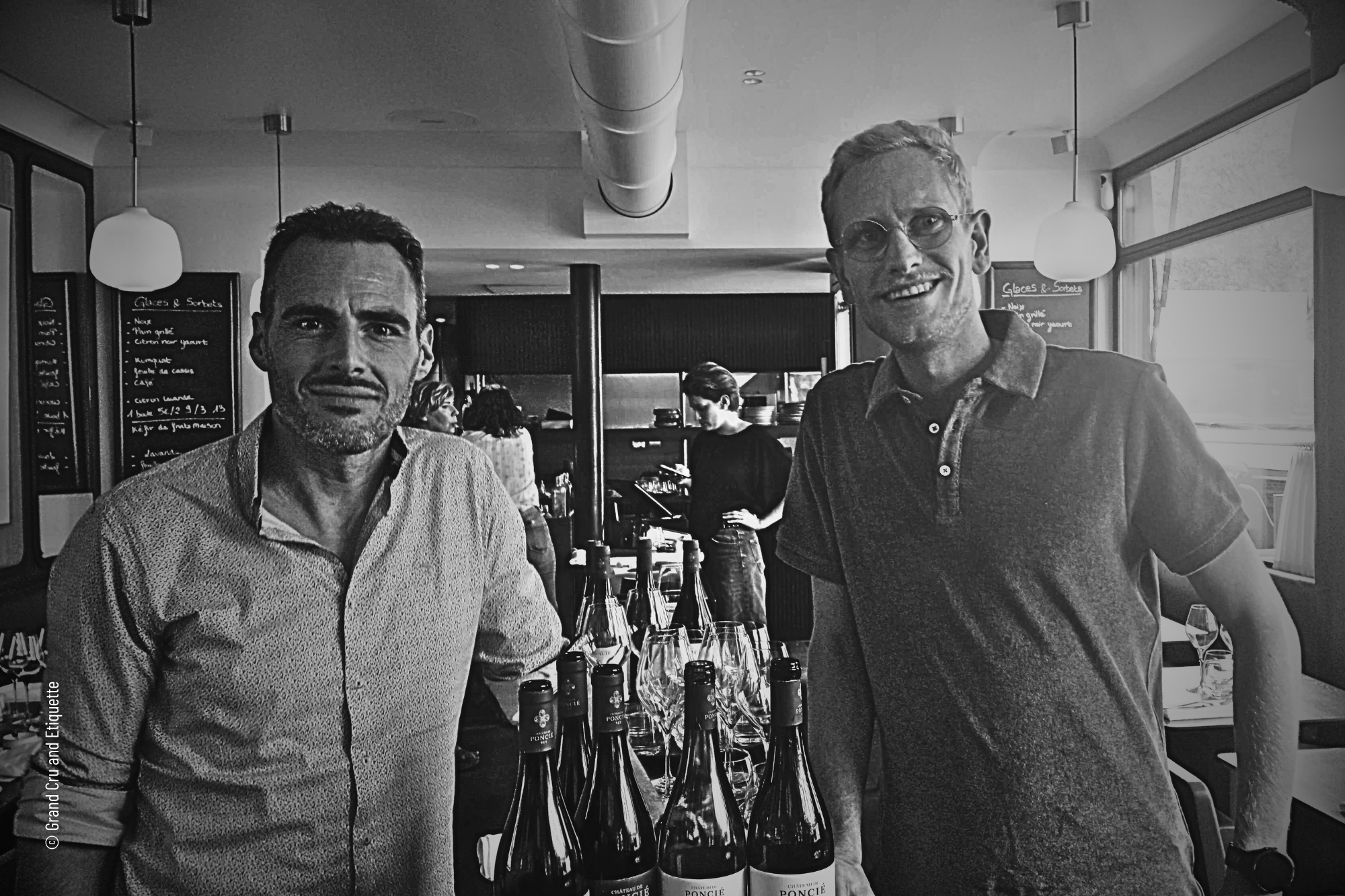
Beaujolais: The Gamble to Build a Premier Cru Hierarchy
Beaujolais built its name on the wine you don't keep. Fleurie is seeking INAO premier cru status for wines that can age five to thirty years, with Château de Poncié at the heart of the story.
Provence Rosé: Anatomy of an Icon
More than a summer wine: how pale Provence rosé became a cultural icon. A complete guide to its history, styles, grapes, food pairings and prices.
Why Paris Is Still the Food Capital of the World
French cuisine is no longer the world’s best — so why is Paris still the food capital of the world? Food historian Loïc Bienassis explains the enduring power of French food culture and French cuisine culture.
Wine Etiquette for Non-Drinkers: How to Handle a Dinner Without Drinking
You do not need to drink to master wine at a dinner. Learn the etiquette, the phrases and the questions that keep non-drinkers fully in the conversation. Wine literacy is not optional — it is an asset.
Burgundy: When Terroir Becomes an Asset
Burgundy wine investment has transformed France’s most coveted bottles into asset wines. But when terroir becomes a museum, adaptation comes at a cost. An analysis of the risks behind wine’s most prized assets.
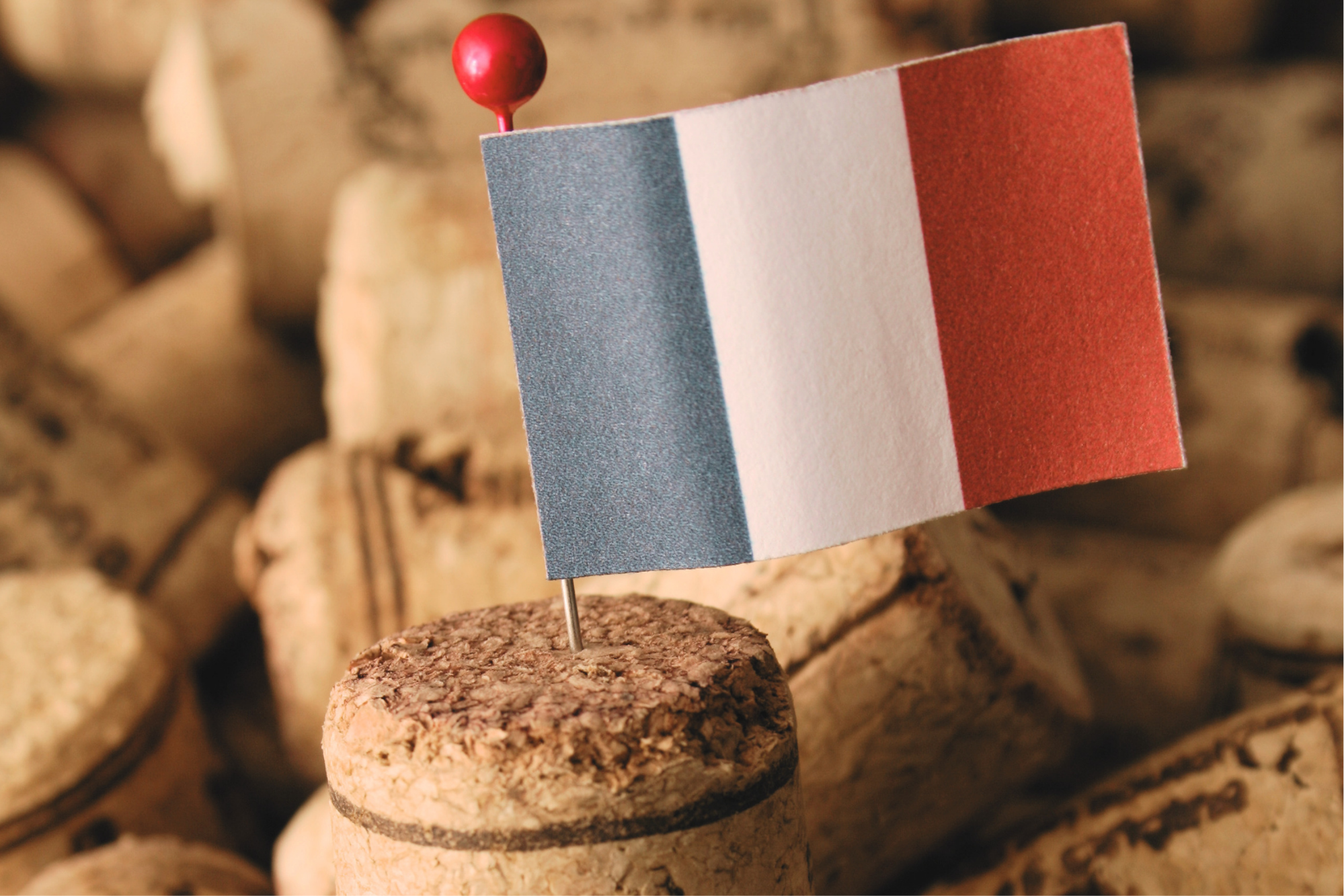
The Bottle as a Diplomat: How French Wine Quietly Shapes World Power
From state banquets to trade tables, French wine has long been an instrument of soft power. How the bottle became a quiet ambassador — and what it still signals today.

French Business Culture: Etiquette, Hierarchy and the Codes of Professional Life
French business culture decoded: hierarchy, tu vs vous, email etiquette, meetings, trust and the cultural differences that shape doing business in France.
The Social Code of Giving Wine: What Your Bottle Says About You
Choosing a wine as a gift is never neutral: it reveals taste, knowledge and intent. From a wine’s gift potential to the subtleties of selecting the right bottle, discover what makes a French wine an appropriate gift in both professional and private settings — and what it communicates beyond the bottle.
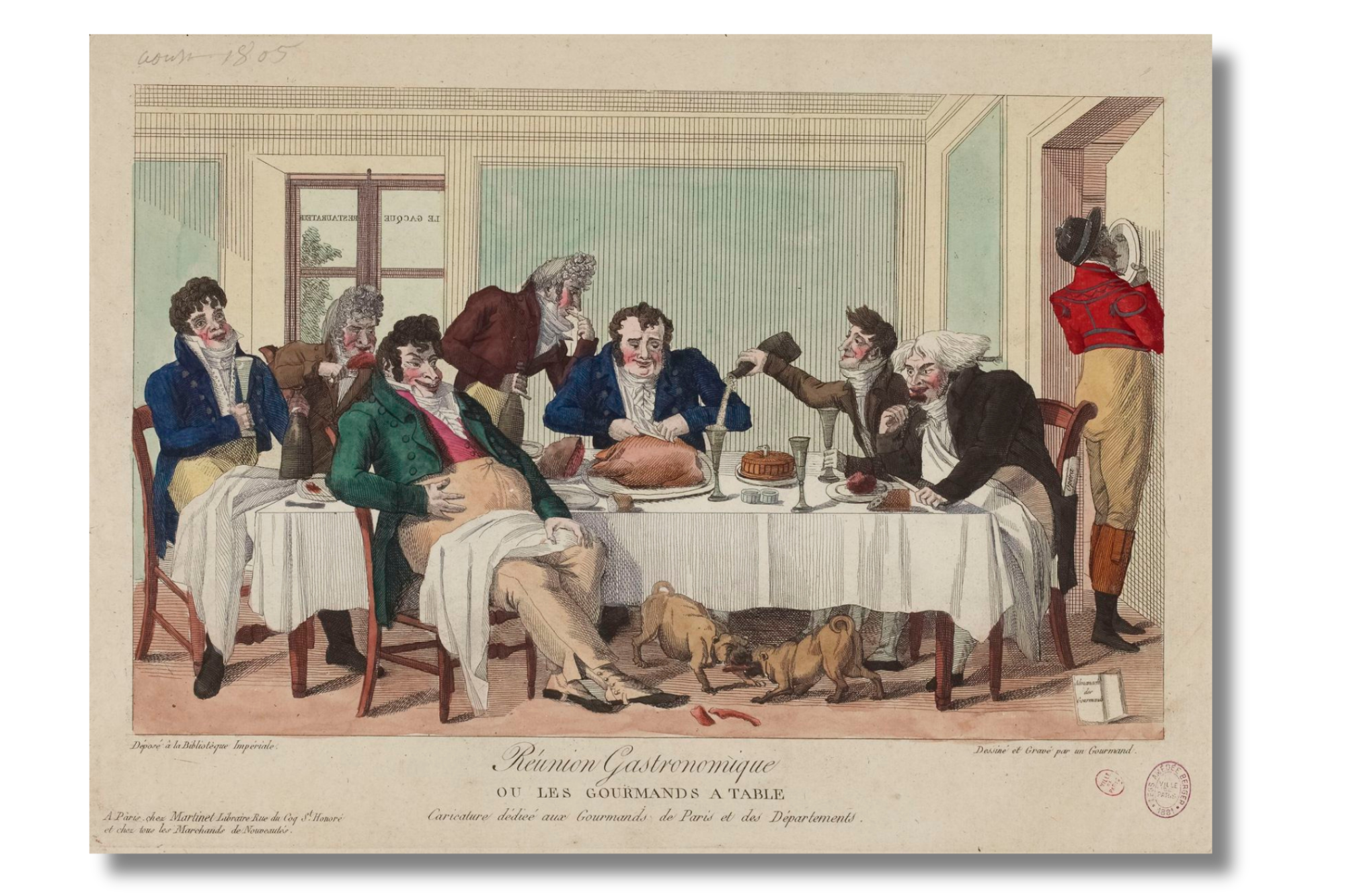
“Bon Appétit”: What It Really Means in France — And What It Says About Your Rank
Bon appétit means more than “enjoy your meal” in France. Who says it, when, and why. A cultural intelligence analysis of the codes that decide rank at the French table — for those who need more than good manners.
How to Read a French Wine Label — And What It Really Tells You
French wine labels are legal documents — if you know how to read them. A practical audit framework that separates informed buyers from those who pay for reputation alone.
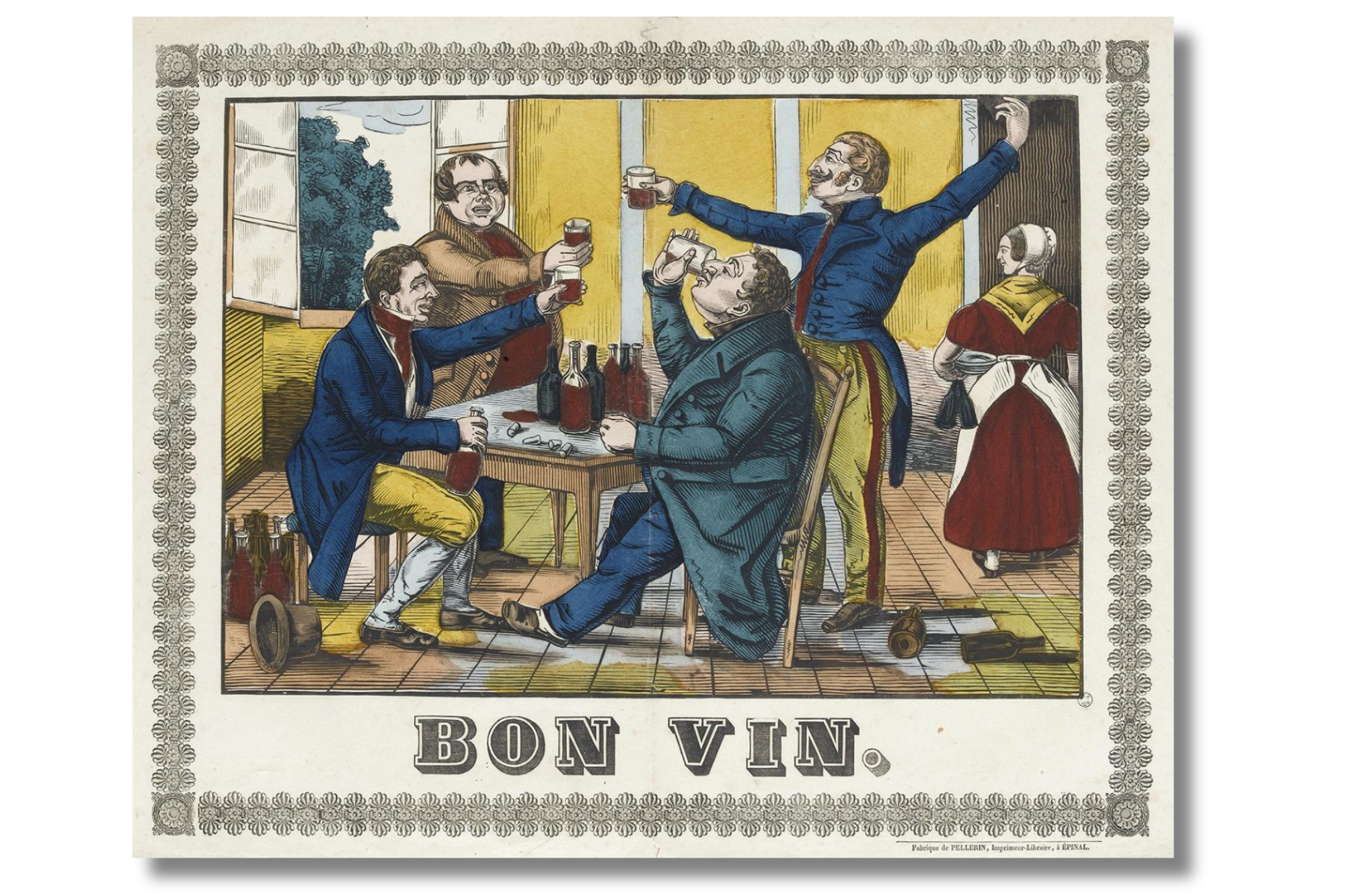
“Bon Vin”: The Art of Raising a Glass, Between Tribute and Caricature
"Bon Vin" or (Good Wine): behind its cheerful surface, this Épinal print reveals the pleasures, excesses and social codes of working-class France in the 1800s.
The French Paradox, Revisited: When the World's Wine Country Stops Drinking
French wine consumption has fallen over 60% since 1960. This is not merely a public health story — it is a geopolitical and economic signal whose implications extend far beyond France.

Pouilly-Fumé AOC, Maison Pascal Jolivet
An elegant Loire Valley white from Pascal Jolivet, sustainably crafted from 100 % Sauvignon Blanc — it offers smoky minerality now, with gentle complexity to gain over a few years.
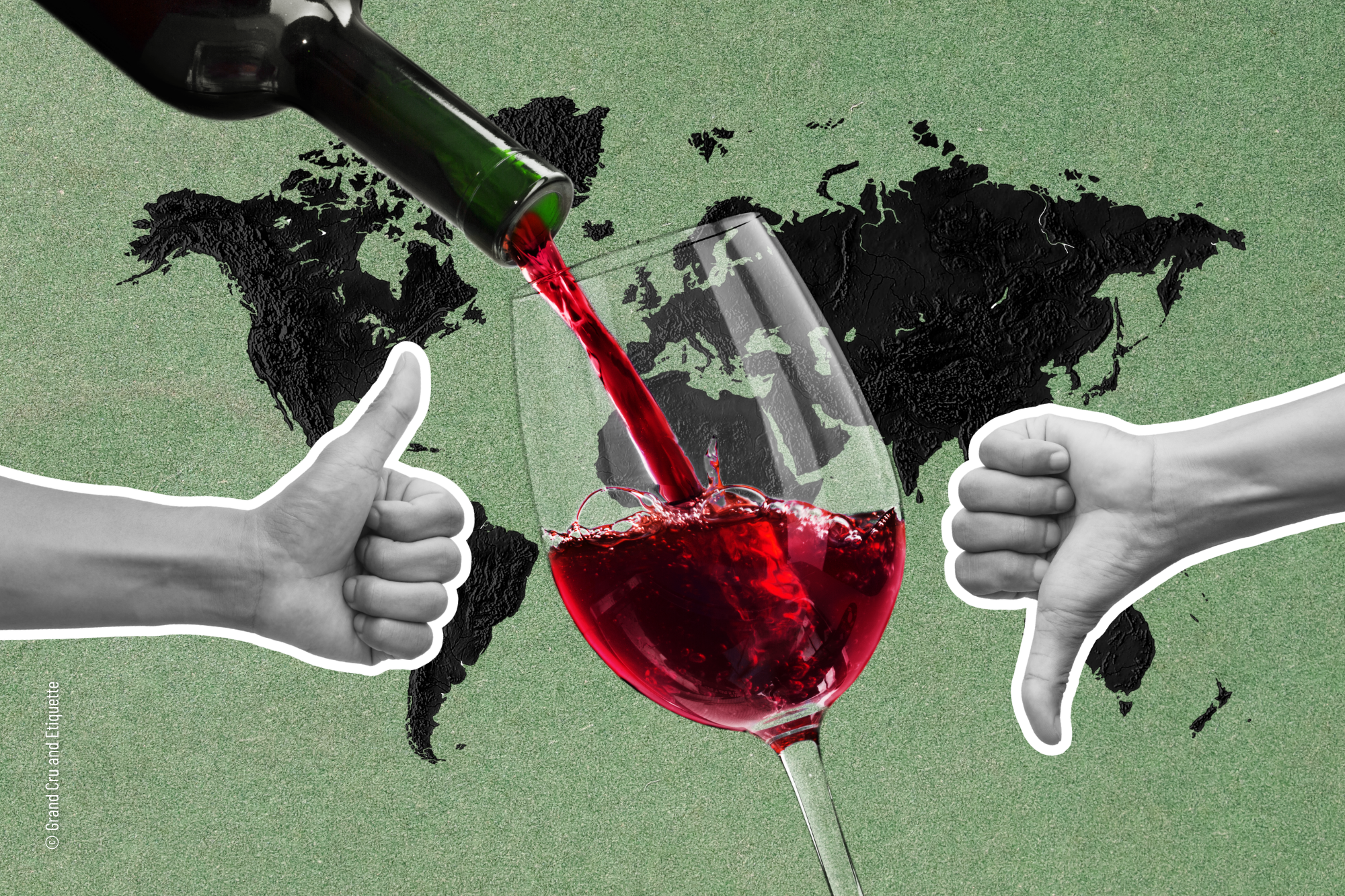
How Taste Becomes Value, and Value Remakes Taste
What makes a wine valuable? Taste feels personal, but it is inherited and made. It sets a wine's value, and that value, in turn, remakes the taste we think is ours.
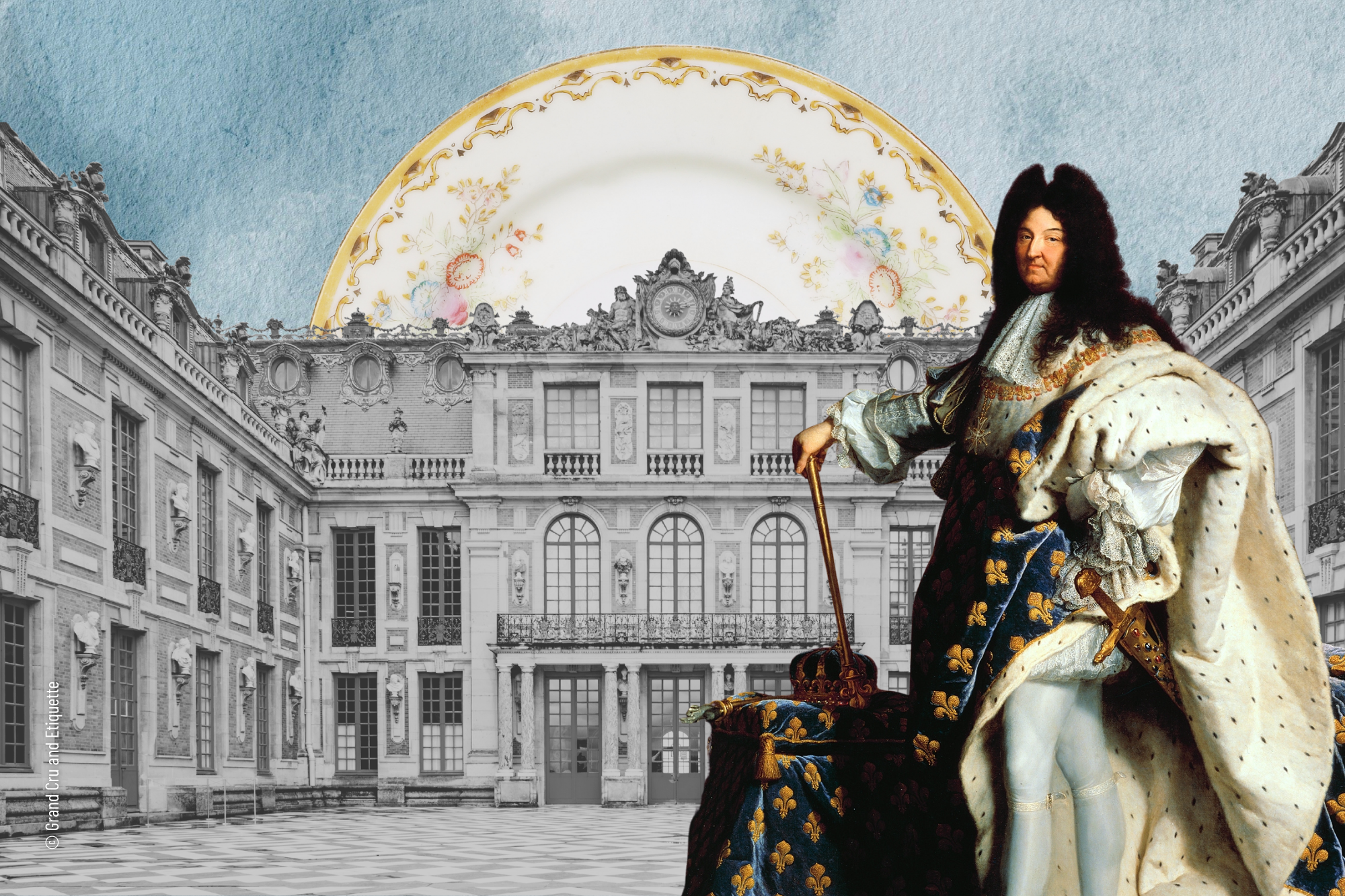
French Table Manners: The Social Codes Behind Every Gesture
From Louis XIV to the business lunch: how French table manners and dining etiquette still encode power, status and belonging — and what every gesture really signals.
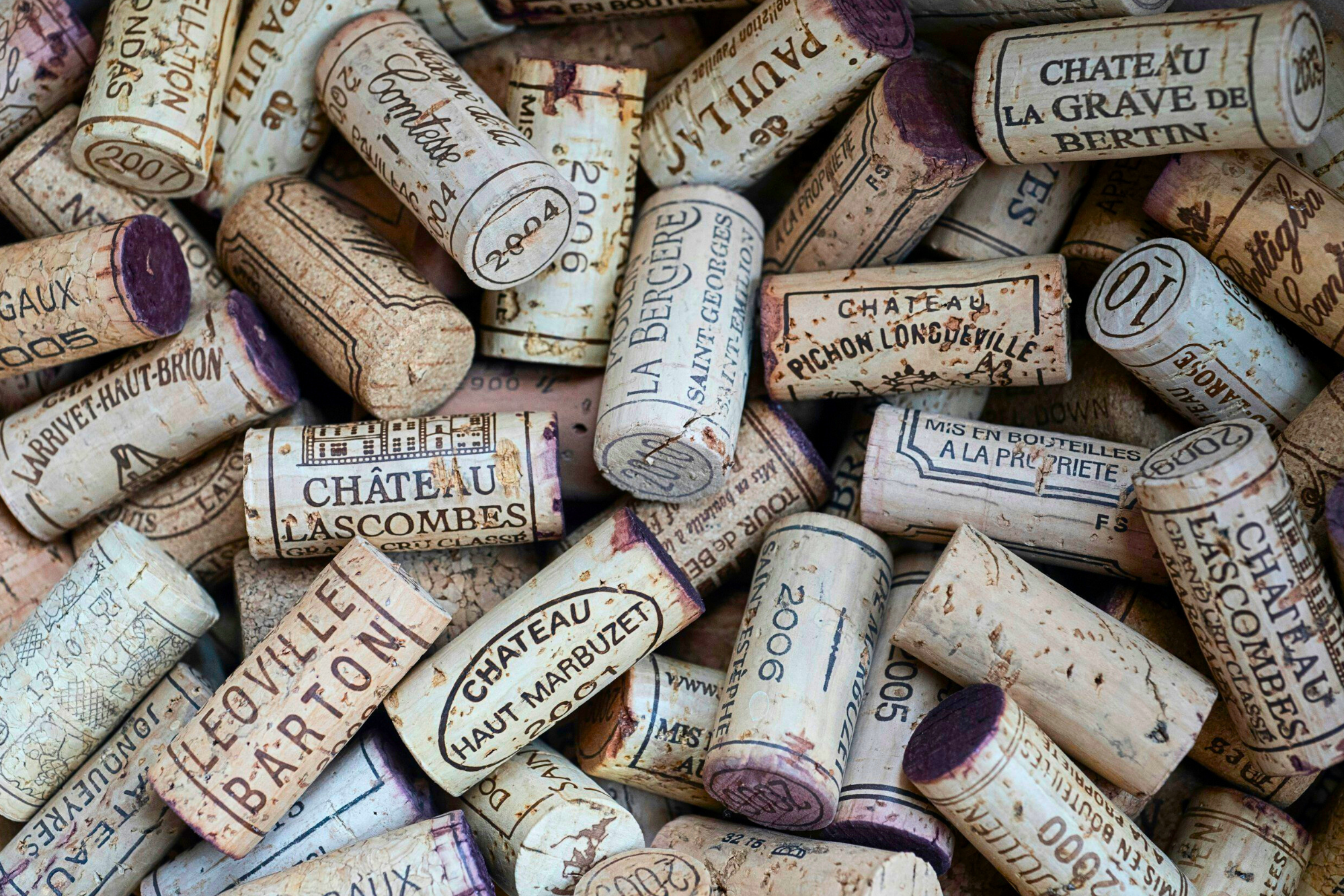
French Wine Regions: The Economics of Terroir
France's thirteen wine regions are not a geographical accident. They are a coordinated portfolio of legally protected assets. A geo-economic analysis of terroir as competitive strategy.
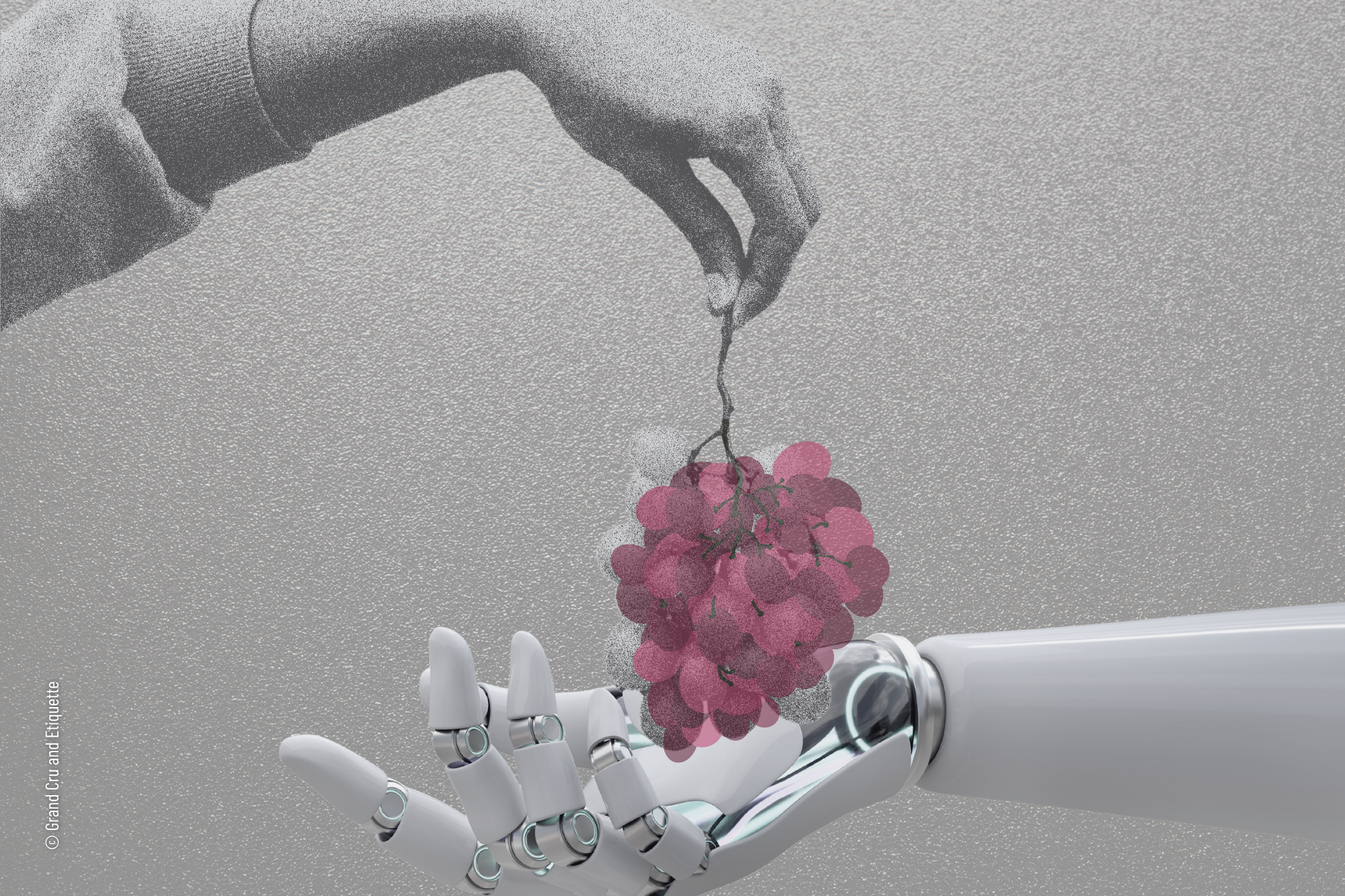
Can AI Replace the Sommelier, Winemaker or Oenologist?
Can AI replace the sommelier, winemaker or oenologist? Explore how artificial intelligence is transforming wine expertise, from vineyard to glass.

Sauternes AOC, Clos Dady
Clos Dady Sauternes: a botrytised sweet white from Bordeaux, all honey and apricot – for foie gras, blue cheese and dessert, and worth cellaring.

Saint-Emilion Grand Cru Classé, Château Laroze
Château Laroze, Saint-Émilion Grand Cru Classé: a Merlot-led Right Bank Bordeaux of dark fruit and fine tannins, built to cellar for ten to fifteen years.

Maury AOC, Mas Amiel — Vintage Grenat
Mas Amiel Vintage Grenat, Maury AOC: a Grenache Vin Doux Naturel of dark fruit and cocoa, for chocolate and blue cheese, with the depth to cellar.