
Burgundy: When Terroir Becomes an Asset
Burgundy wine investment has transformed France’s most coveted bottles into asset wines. But when terroir becomes a museum, adaptation comes at a cost. An analysis of the risks behind wine’s most prized assets.
The Bottle as a Diplomat: How French Wine Quietly Shapes World Power
From state banquets to trade tables, French wine has long been an instrument of soft power. How the bottle became a quiet ambassador — and what it still signals today.
How to Read a French Wine Label — And What It Really Tells You
French wine labels are legal documents — if you know how to read them. A practical audit framework that separates informed buyers from those who pay for reputation alone.
The French Paradox, Revisited: When the World's Wine Country Stops Drinking
French wine consumption has fallen over 60% since 1960. This is not merely a public health story — it is a geopolitical and economic signal whose implications extend far beyond France.
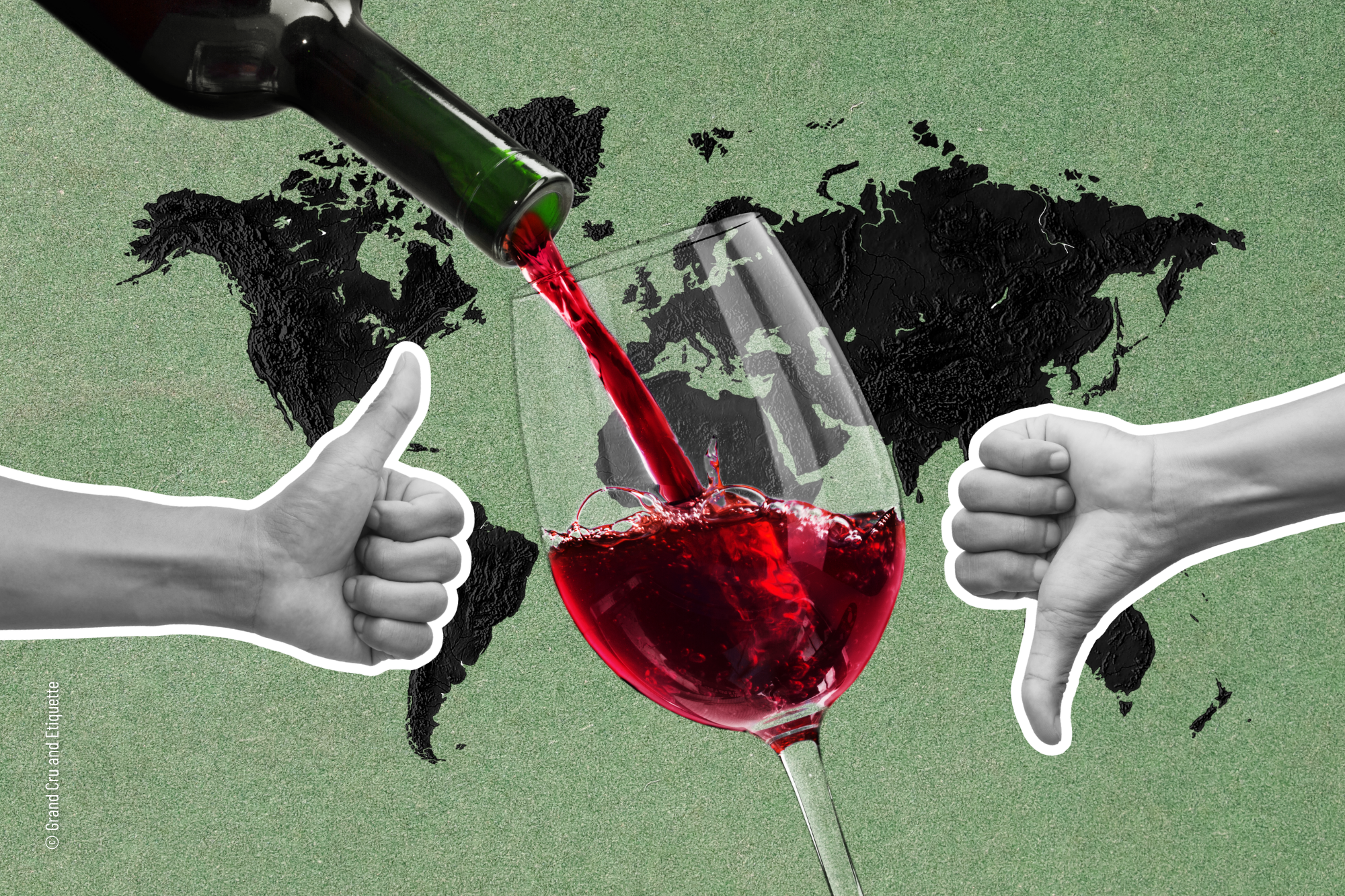
How Taste Becomes Value, and Value Remakes Taste
What makes a wine valuable? Taste feels personal, but it is inherited and made. It sets a wine's value, and that value, in turn, remakes the taste we think is ours.
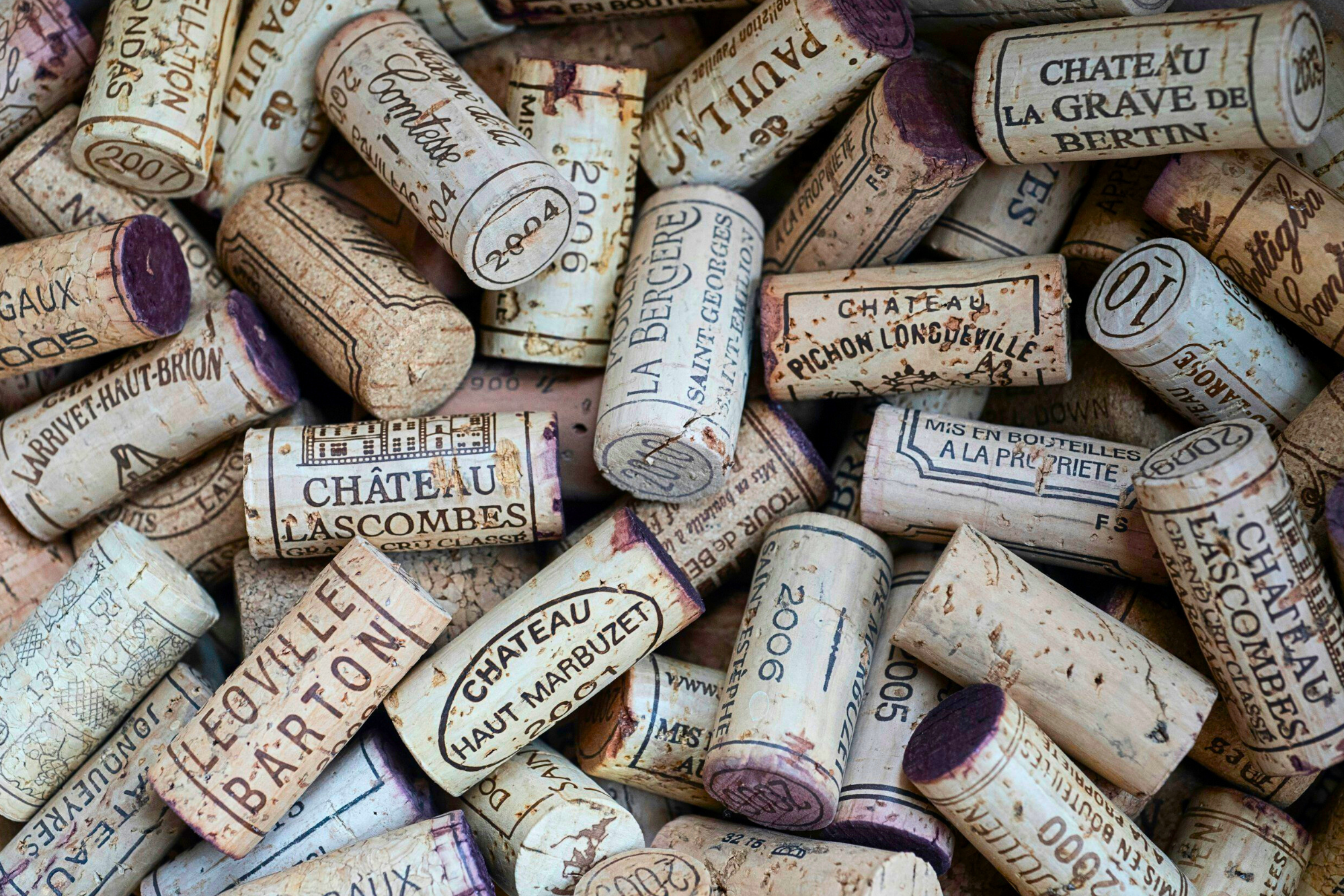
French Wine Regions: The Economics of Terroir
France's thirteen wine regions are not a geographical accident. They are a coordinated portfolio of legally protected assets. A geo-economic analysis of terroir as competitive strategy.
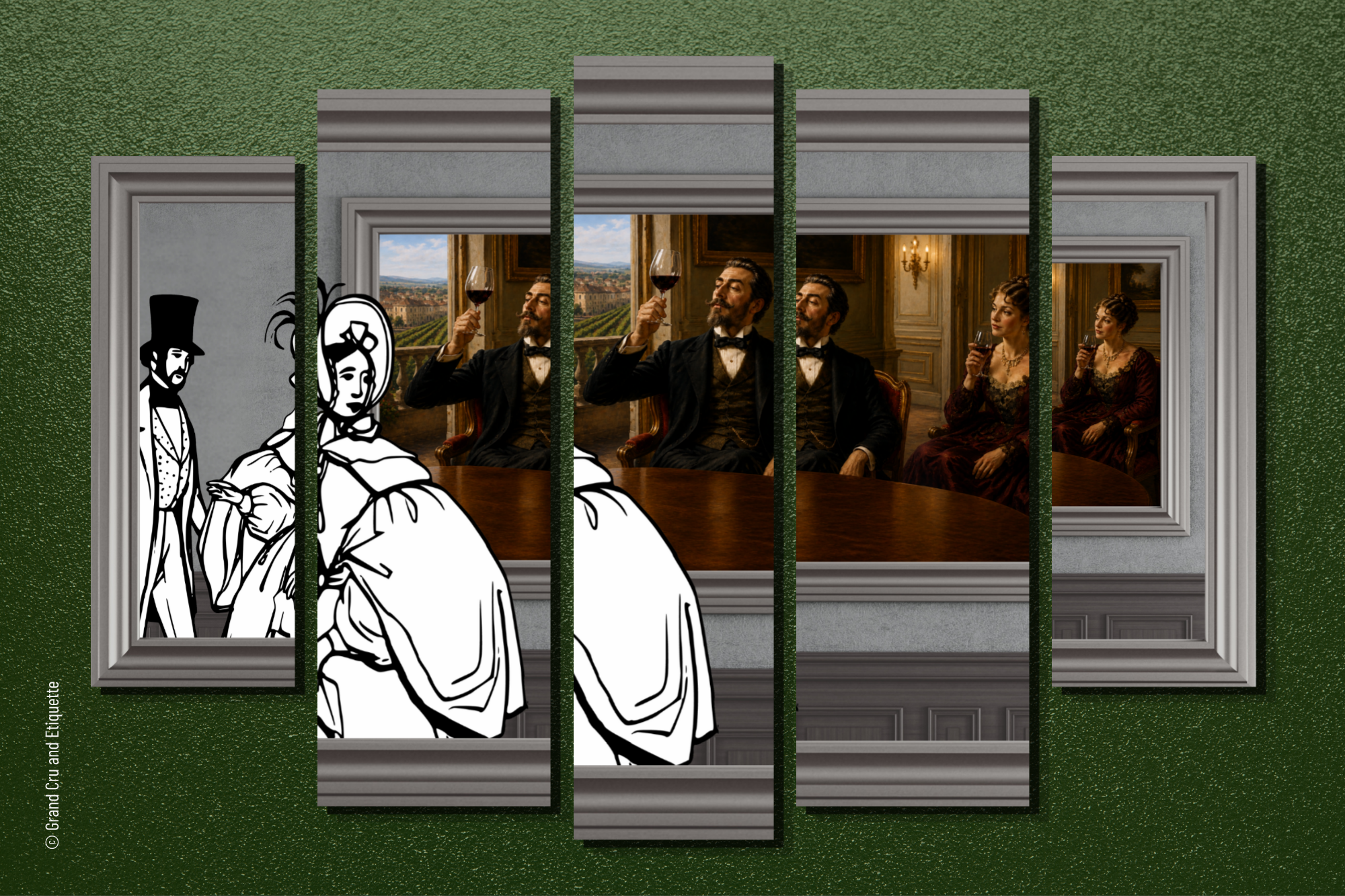
How Wine Became a Status Symbol
Why is wine a status symbol? The story of how reputation, classification and cultural capital turned a bottle into a social signal, far beyond its price.